
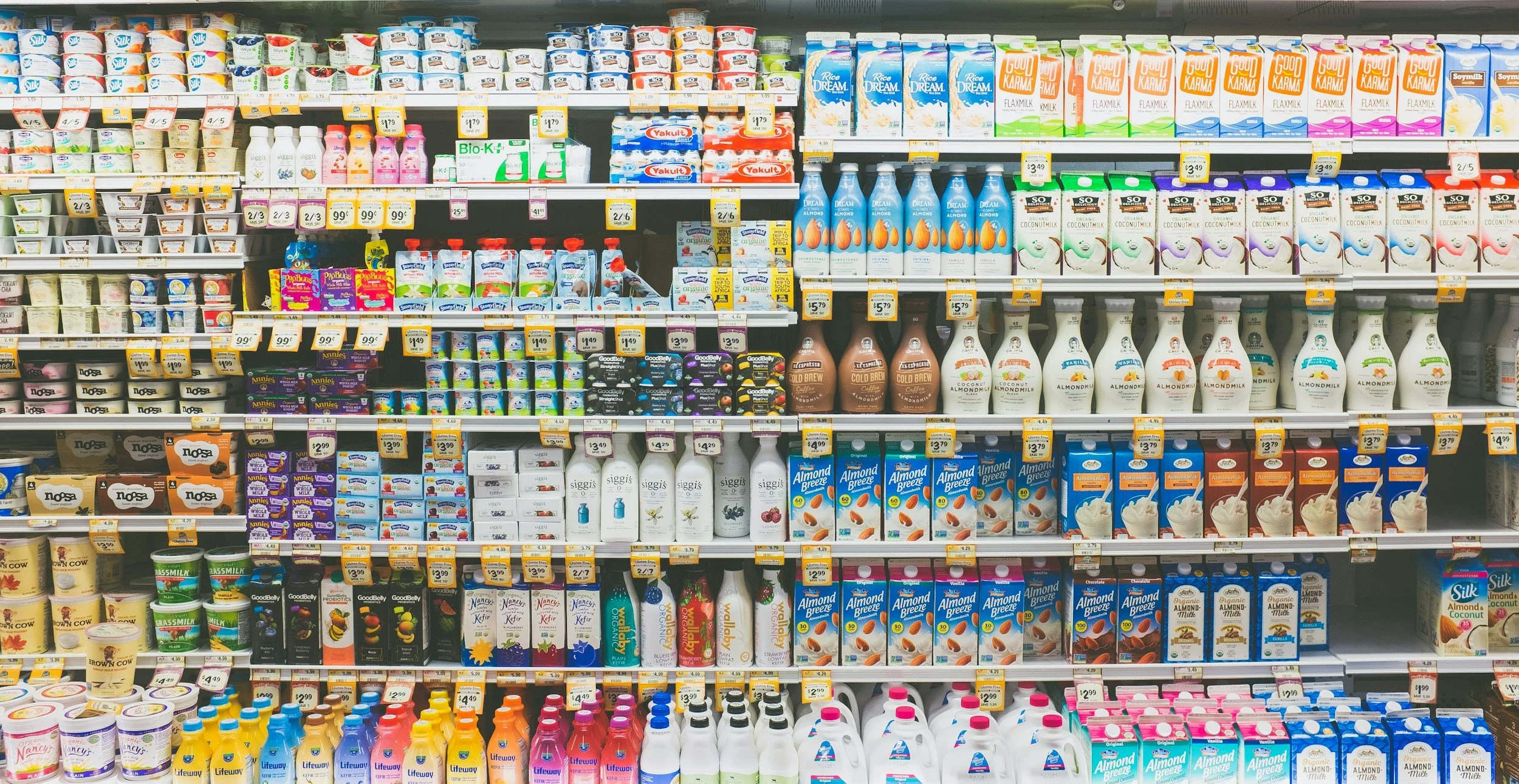
Banning Digital Shelf Labels Won’t Lower Grocery Costs in Delaware
By Americans for a Modern Economy
June 25, 2026
Most Delaware shoppers probably don’t spend much time thinking about how prices get onto store shelves. They simply expect the price displayed in the aisle to match the price charged at checkout. Digital shelf labels (DSLs) are helping retailers do this better than ever while keeping costs as low as possible for customers.
Digital price displays are not some new, untested technology. Businesses have been using digital displays for years; customers see these while they’re filling up at a gas station or ordering from a drive-through menu. Now, grocery retailers are increasingly using the same technology because it improves accuracy, reduces pricing errors, and helps ensure customers pay exactly what they see on the shelf – all while cutting down on tedious work for employees.
For shoppers, the benefits are straightforward. Easier to read prices. Fewer pricing discrepancies. Greater confidence that the price displayed is the price they will actually pay.
For retailers, the technology improves efficiency by enabling employees to spend less time replacing thousands of paper tags and more time helping customers, stocking shelves, and keeping stores running smoothly.
Those efficiencies matter more than most think. Grocery stores operate on extremely narrow margins, and tools that make stores more efficient allow them to keep product prices as low as possible for customers.
This is critical, because across Delaware, retailers are facing the same pressures affecting businesses nationwide: rising operating costs, workforce challenges, and increasing consumer demand for convenience and accuracy.
Yet despite these benefits, digital shelf labels have increasingly become caught up in a broader debate over “surveillance pricing” – the idea that businesses are using personal information to charge different customers different prices for the same product.
But that debate conflates two separate and different practices that have nothing to do with each other. Surveillance pricing is an online issue, while digital shelf labels are simply electronic versions of the paper tags shoppers have seen on store shelves for decades. They display product information and prices that are visible to everyone in the store. Every customer sees the same price. Every customer pays the same price.
There are no “surveillance” mechanisms with digital shelf labels, which typically weigh less than an ounce and run on the same battery as a simple wristwatch. The labels do not have cameras and cannot identify shoppers. They do not collect personal information. And they do not display one price to one customer while showing a different price to another standing in the same aisle.
And that is ultimately the question policymakers should ask: What problem would a digital shelf label ban actually solve?
It would not prevent surveillance pricing, because digital shelf labels do not have the technology not capable to engage in it. It would not improve transparency, because DSLs already make pricing information more precise and easier to update.
If Delaware lawmakers believe personalized pricing practices deserve oversight, they should regulate those practices directly. That is the approach states across the country have taken when considering surveillance pricing legislation. Delaware should follow their lead, rather than becoming the first state to restrict a technology that has nothing to do with the problem policymakers are trying to solve.
Delaware has an opportunity to get this issue right. That starts by recognizing digital shelf labels for what they are: a tool that improves accuracy, transparency, and costs for consumers.